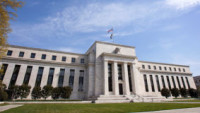



 Just a year ago, Donald Trump was openly pressuring the Fed, demanding rate cuts and threatening the chair who refused to accommodate him. In 2026, the picture has reversed: the US president is calmly watching monetary policy tightening by the central bank chief he himself appointed. This metamorphosis, paradoxical at first glance, neatly explains why investors have once again flocked to the US dollar. EURUSD, meanwhile, came within a hair of its worst collapse since June 17 — the irony being that it was on that very day that Kevin Warsh stunned the market with his «hawkish» rhetoric.
The euro «bears» were stopped in their tracks by oil: quotes retreated after reports that Saudi Arabia plans to increase exports through the Strait of Hormuz, compensating for the losses from the closed East–West pipeline. Against this backdrop, the yield on 10-year Treasuries only briefly touched the psychological 5% mark. It had previously reached such heights in 2023, when debt-market rates were driven up by the post-pandemic boom and the Fed’s most aggressive policy tightening in four decades.
The correlation between the dollar and Treasury yields, meanwhile, continues to rise. This is an important signal: underpinning the latest currency rally are not Treasury sell-offs caused by the unpredictability of White House policy and fears for the Fed’s independence, but oil prices and confidence in further tightening by the regulator. The probability of a September rate hike has soared to 92%; markets are pricing in a rise to 4.5%, whereas a year earlier they expected a cut to 3%.
The yield rally has several sources: the artificial intelligence boom with its growing appetite for electricity, competition from hyperscalers actively issuing bonds, and the overall strength of the US economy. However, the key driver is the armed conflict in the Middle East. Where it was previously assumed the conflict would be over within six weeks, now there is no end in sight to the US–Iran confrontation.
Persistently high energy prices threaten to seep into core inflation through second-round effects — and that already demands decisive action from the Fed.
All market eyes are on Kevin Warsh and his colleagues: from them, participants expect not only a federal funds rate hike but also hints about its future trajectory — if only through updated FOMC projections. Notably, investors’ own expectations — four tightening moves from the ECB and five from the Bank of England over the next 12 months — have been temporarily pushed to the back burner.
What is happening painfully echoes buying the dollar on rumors of rate hikes. Whether the classic «sell the fact» follows remains to be seen. For now, a sensible tactic looks like holding the EURUSD shorts established from the 1.164 level.